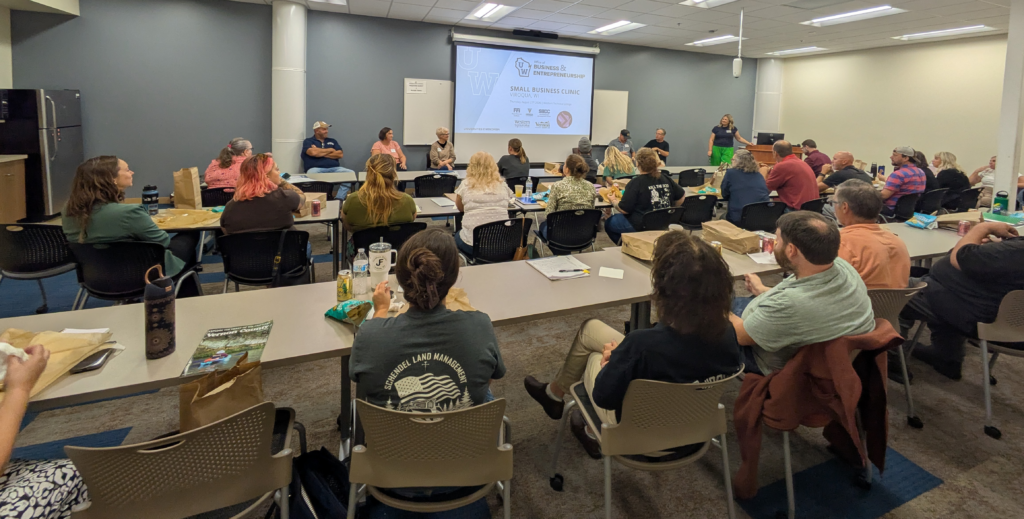
The Small Business Clinic held Thursday, August 27 at Western Technical College in Viroqua, Wisconsin, offered practical information and resources directly to entrepreneurs.
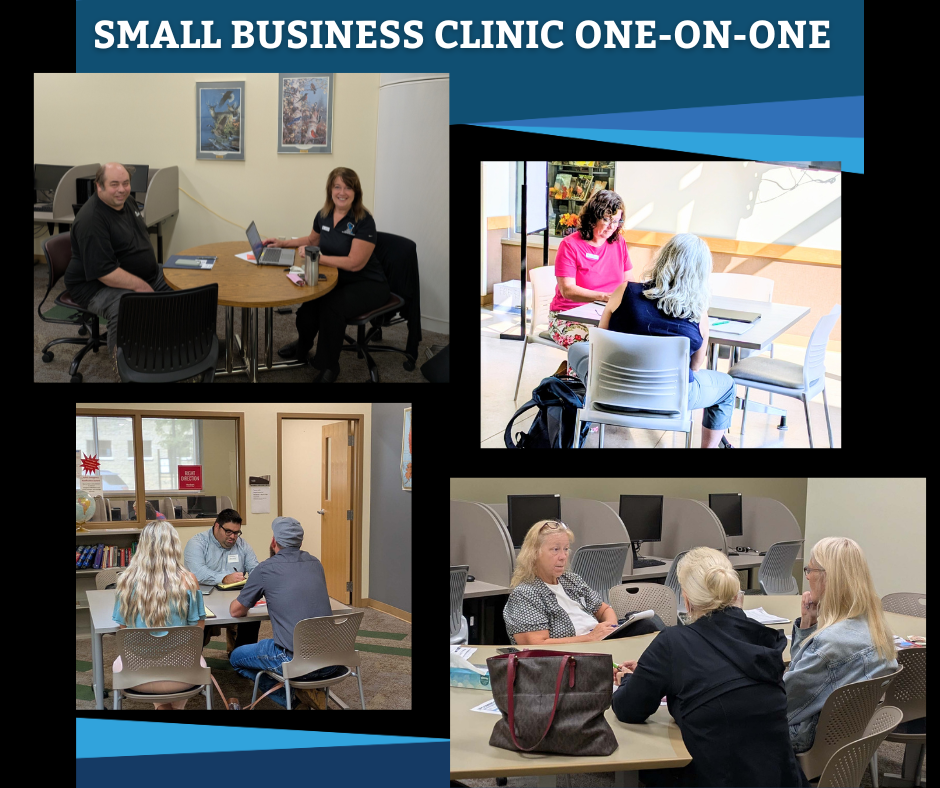
Organized with support from Wisconsin Economic Development Corporation (WEDC) and the Universities of Wisconsin Office of Business & Entrepreneurship (OBE), the clinic combined educational presentations, one-on-one consultations, an LLC formation lab, and resource-provider tables into a single day designed to help entrepreneurs start, strengthen, and grow their businesses.
Small businesses are the backbone of many rural communities. They provide jobs, keep money circulating locally, preserve community character, and often fill essential roles that larger companies cannot. Yet, rural entrepreneurs frequently face challenges such as limited access to capital and professional services as well as workforce shortages, smaller customer bases, and fewer opportunities for business education and networking.
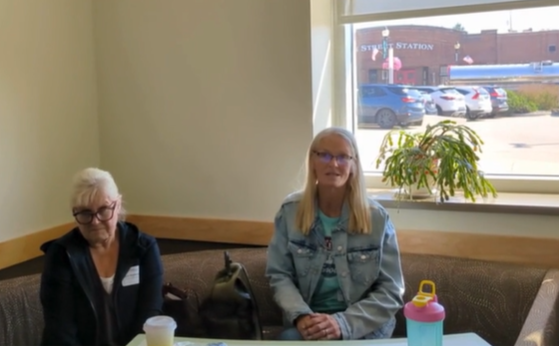
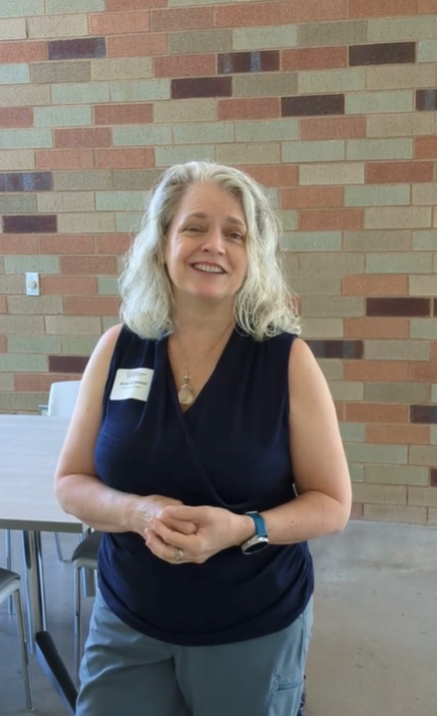
Anne O’Conner, who is starting a local news, art, and entertainment ecosystem project, said of the event, “This day is amazing! The resources that have been put together for local entrepreneurs are astounding… And it’s all free, which is a wild resource that everybody should know about.”
Listen to Anne describe more about her day at the Small Business Clinic.
Making Expertise Available
For a rural entrepreneur, getting professional advice can sometimes require significant travel, time away from the business, or navigating a confusing network of agencies and organizations. The Small Business Clinic aimed to reduce those barriers by bringing multiple forms of expertise together in one place.
Hear more details about what attendees learned and the relationships they’ve built. “I love that this clinic is local and doesn’t require us to travel and spend a night away in a hotel. We don’t have employees; it is just us. So, if we have to spend time away, that is time we sacrifice away from the business.”
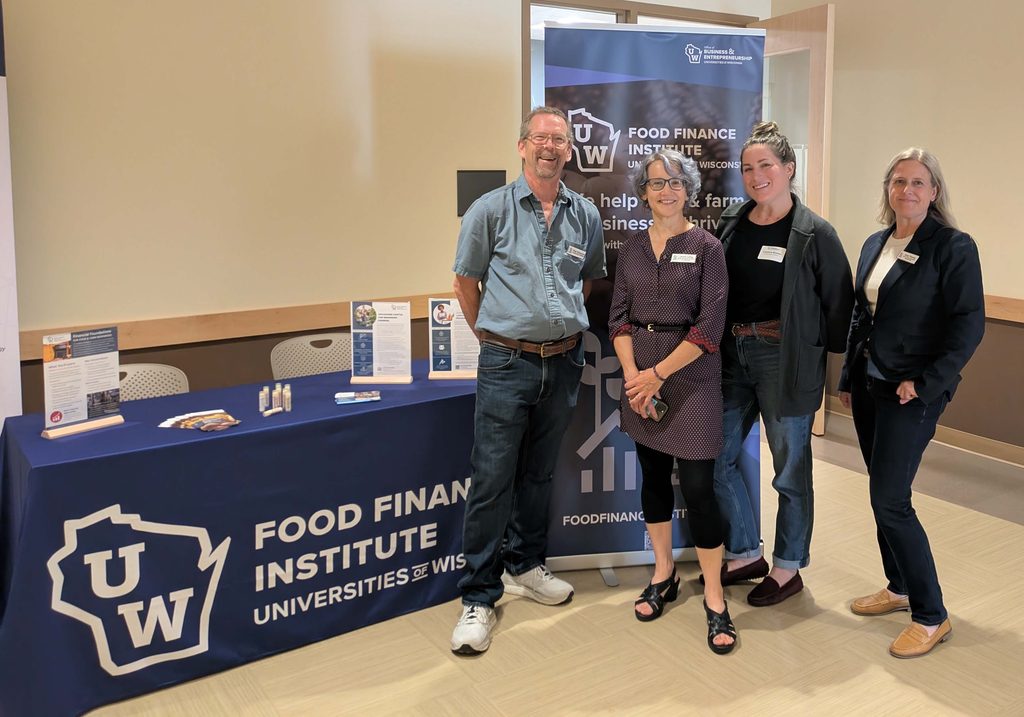
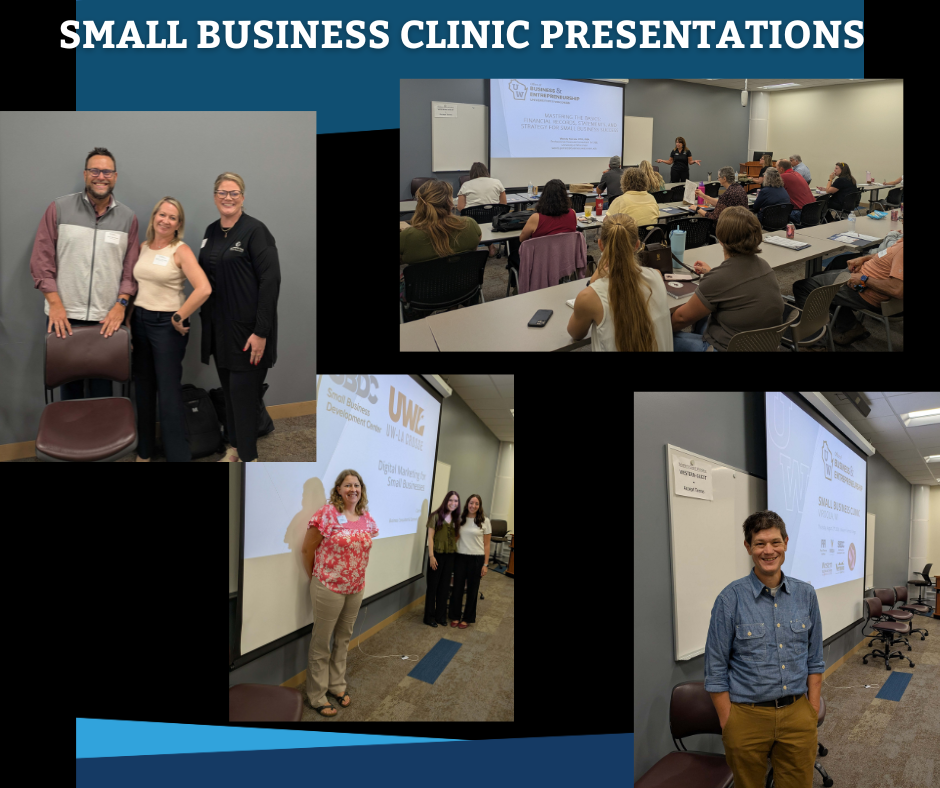
The clinic offered sessions in which entrepreneurs could learn about financing, business planning, digital marketing, financial management, business law, hiring, and employee retention. Food and farm businesses received specialized presentations from the Food Finance Institute addressing cottage food regulations, mobile food businesses, farm financials, farmers market sales, and strategies for growing food enterprises.
Connecting Rural Entrepreneurs with Capital
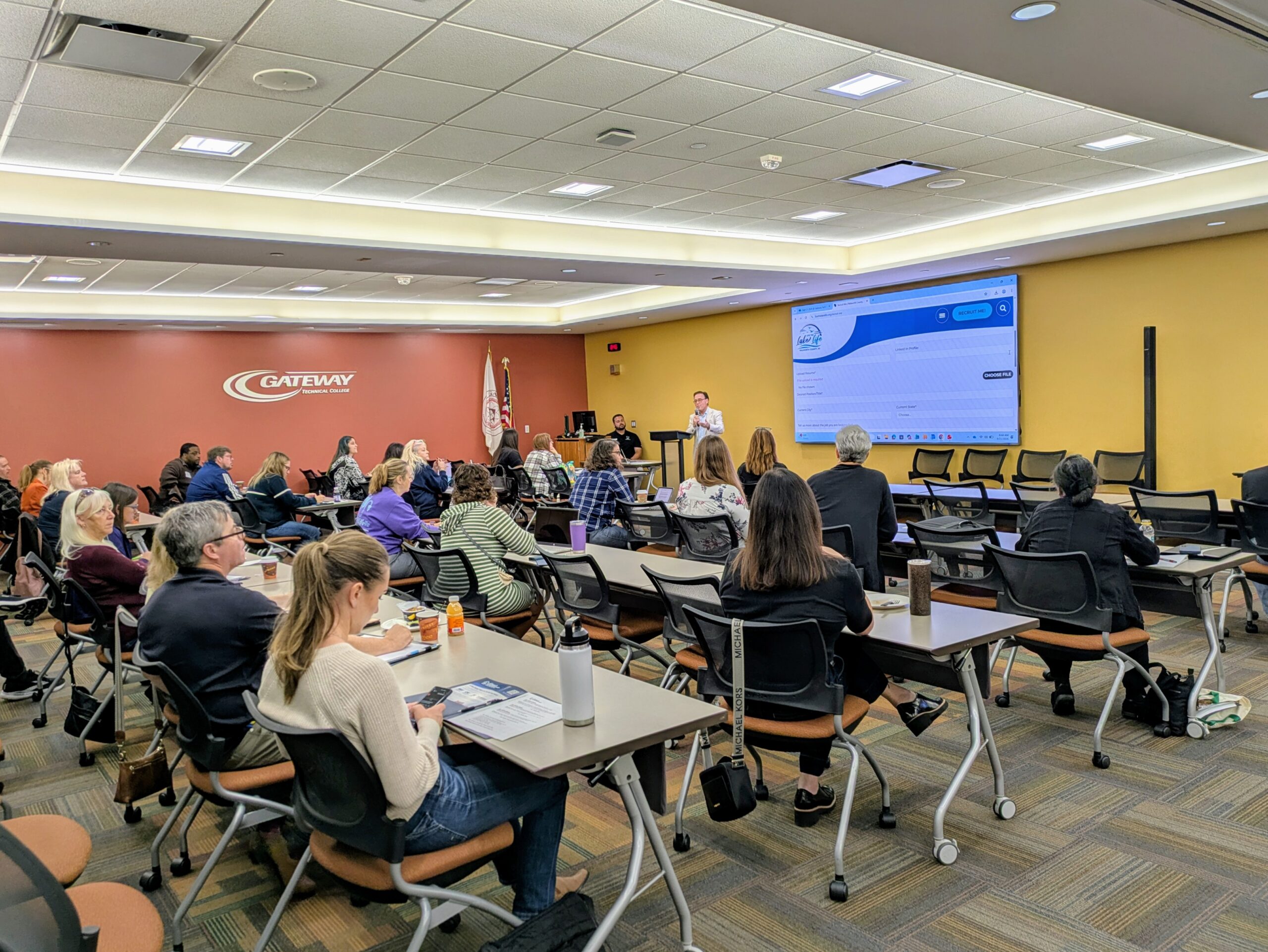
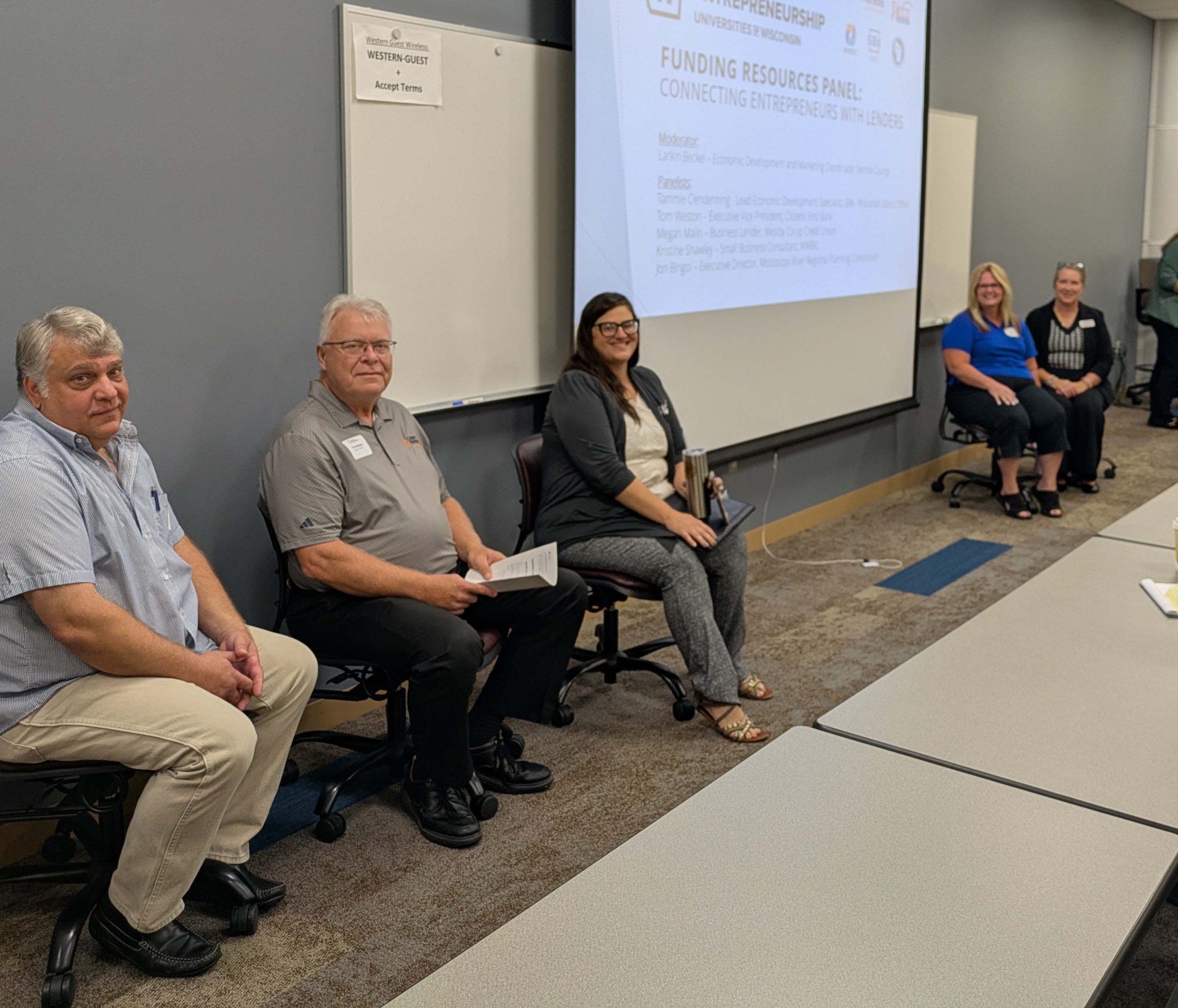
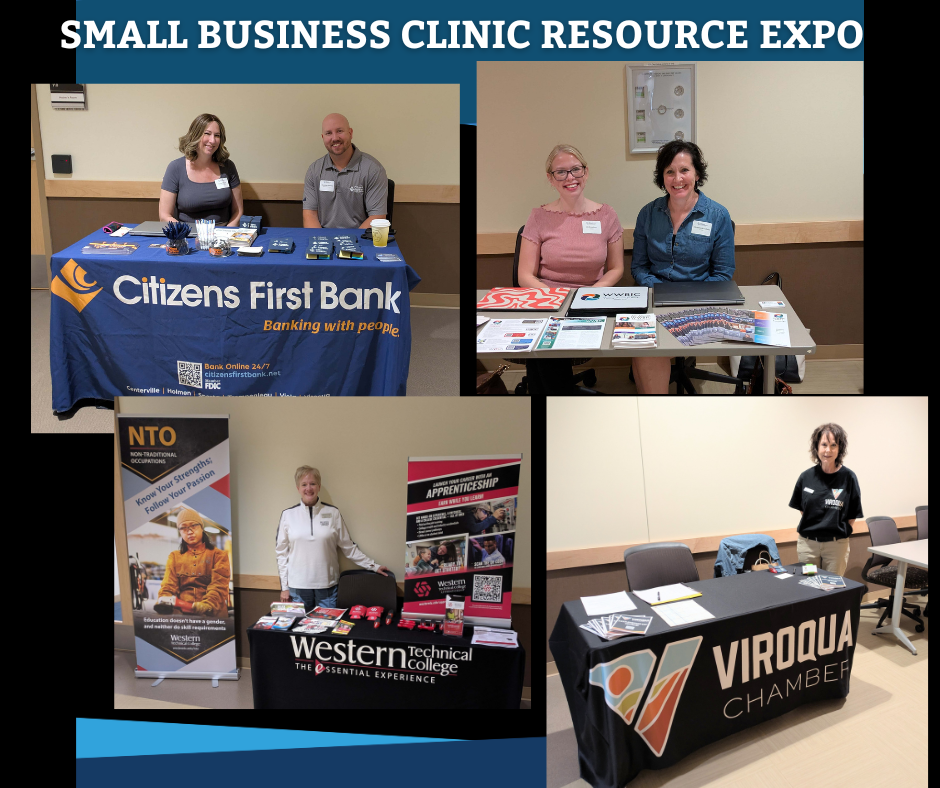
The Small Business Clinic began its educational sessions with a Funding Resources Panel: Connecting Entrepreneurs with Lenders, featuring representatives from local resources like the Mississippi River Regional Planning Commission, Citizens First Bank, Westby Co-op Credit Union, U.S. Small Business Administration’s (SBA) Wisconsin District Office, and Wisconsin Women’s Business Initiative Corporation (WWBIC).
Rather than simply telling entrepreneurs that financing exists, the panel focused on how to prepare for it by understanding different funding options, knowing what lenders look for, and preparing financial information.
Turning Ideas into Sustainable Businesses
The clinic’s Business Model Canvas session further prepared entrepreneurs to receive funding by helping them define their customers, clarify their value proposition, and organize their business strategy. These fundamentals can help turn an idea into a practical plan.
Hear this creative entrepreneur describe the Business Model Canvas session and other benefits. “I really enjoy the Business Model Canvas session where you get to draw and be a little more freeform than on some of the business plan templates that you might find online. It really helped us explore our vision.”
Helping Businesses Adapt to a Digital Economy
The clinic included dedicated sessions on digital marketing. The Small Business Development Center (SBDC) at UW-La Crosse shared ideas on websites, social media, email marketing, search engines, online reviews, and AI-powered tools. For a rural business, a strong digital presence can expand the potential customer base well beyond the immediate community. Technology can be used to tell a small business’s story, communicate its connection to the community, attract visitors, build customer relationships, and compete in markets far beyond its physical location.
Building a Stronger Rural Workforce
Workforce challenges are another major issue for rural businesses. The clinic’s session on hiring and retaining employees presented by M3 Insurance and The Employer Group addressed recruitment, onboarding, workplace culture, employee engagement, benefits, and retention. These are issues that can be particularly challenging for small businesses competing for workers in communities with smaller labor pools.
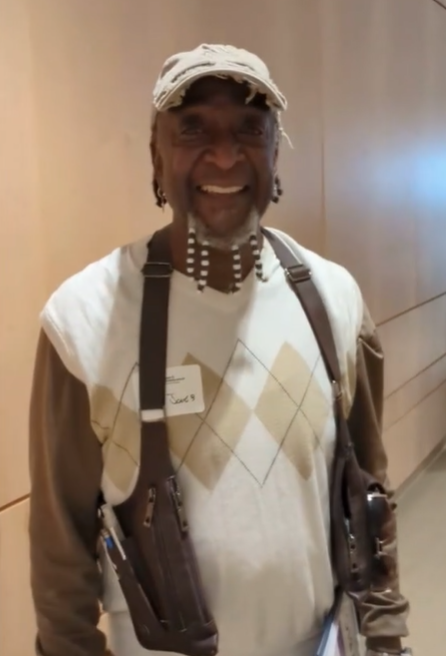
Hear this entrepreneur describe the atmosphere of the event. “People are excited because they’re learning things they never knew before. Or maybe even being refreshed on things they forgot…. I would tell people not to pass up this opportunity.”
Creating Connections, Not Just Providing Information
Perhaps one of the most valuable aspects of the Small Business Clinic is the opportunity to connect people in their own community. One of the most popular sessions featured insights from local businesses such as Driftless Provisions, Round River, Drew Shonka Photography, Ewetopia, and Blush Roots. The participation from local and state resources made the event extremely valuable for those hoping to start or grow their small businesses. These colleagues describe why they came back for a second year and the atmosphere of the event.